
Blog Posts

Understanding the impact pets make on a community-image

Our country has a strong passion for our pet friends and it is inevitable that we as property managers need to make important decisions about whether or not to allow pets in our communities and undertake the challenges that might result.   For those who do not allow pets, the approach forward is pretty simple. If a pet is discovered this is a lease violation and can result in eviction.   That said, more research seems to show the value (and pros) of allowing animals in our communities. It becomes a big draw for the community, certainly widening the pool of potential residents. It also shows empathy toward pet owners, which is an angle that can be used in marketing.   Furthermore, allowing a pet can create a greater value for your rentals, giving you a chance to command higher fees and a possible edge over competition that does not allow animals.   Another interesting idea to consider is the longevity of your residents and how allowing a pet to live with them makes the community feel more permanent. This can result in better lease renewal rates and a community where being responsible for a pet – as well as the unit – goes hand in hand.   The more a resident considers an abode their home, the more likely they are to renew a lease. Certainly, settling in with a pet can make a rental feel like a permanent residence. Additionally, The Balance points out that it can be harder for pet owners to find alternate dwellings that will take both them and their pet.    Having said that, residents who care for pets in a loving way are more likely to be residents who care overall about their apartment or townhouse and the overall community they live in. In other words, we all want responsible residents, and while not every pet owner is more responsible automatically, it’s a good chance a pet owner will care for his or her surroundings since it is their home and their pet friends’ home as well.   What to remember when allowing pets   It is important that communities focus on what procedures or policies to put in place when allowing pets. Some of the most important factors include ensuring that all animals are licensed, have their medical shots, wears tags and are registered with the office. In some cases, management may want to require an owner and pet interview. As a part of that, apartment communities may want to create restrictions on the number of pets, breed, weight and size allowed.   You will also have to decide whether or not to require a refundable pet deposit or non-refundable pet fee along with monthly fees as a part of your lease agreements.   When animals are on the property, allowing them to be outside on the grounds should be a guided rule that requires animals to be kept on a leash and cleaned up after. If you’re able, create a dog run or a dog park. There is a cost, but this is another added feature to promoting your community.  In the event that’s not an option due to cost constraints, make sure that the residents know your communities’ expectations for having their pets outside.   Since service and assistance animals are important to many people, they need to be treated in a proper and considerate way as well. Though they are not pets, these important companions should still be subject to policies regarding their paperwork, their medical shots, tags and being registered with the office.   In fact, it’s not a bad idea to share all of the information you want residents to know about pets as a part of your ongoing communications when it comes to rules or guidelines for residents.   Keep in mind the challenges   Allowing pets in your communities is a wonderful advantage, but can involve challenges and even risks. Without spending too much time on the downside, remember the following risks: pet damage; noise and odor impacts; and worst-case scenarios of injury to other residents. That last one should be carefully considered and may require pet owners to have stronger renters’ insurance as a result.   Challenges aside, careful planning will help communities transition to pet ownership if they so desire.   For those communities already allowing animals, it’s a great idea to review all of your current guidelines and policies, make sure your current residents are following them, and thoughtfully inform new residents about the policies for pet ownership.   Pets in our communities clearly makes them feel more like home while offering a competitive advantage. Allowing them simply requires good planning and a willingness to understand the impact animals will make on the units, the property and the lives of residents.  

Read more

Importance of thoughtful budget planning-image

It’s that time again. Time to start thinking about your annual budget. Whether your community runs on a calendar year budget or one that cycles from fall to fall (like many organizations), budget planning should be a top priority for managers facing a new year ahead. There are a lot of reasons a well-planned budget is critical to your success. For me, it’s really about being prepared, which allows you to be ready when things change or unexpected challenges appear on the horizon. This month is the perfect time to begin detailed work on your budget for 2022, especially if you run a calendar year financial plan or need to submit it to government housing authorities, HUD or other forms of boards and advisory councils. Use the coming weeks to review the state of this year’s budget and how that may impact what you want to do next year. Also, use this time to dream a little. In other words, consider things you’d really like to achieve, if the circumstances are right and the money is available. Keep an eye on the timeline One thing to pay close attention to, whether you’re “dreaming” or just being realistic about next year, is your approach to capital improvements. If you know there are specific things that will need to be completed next year, get started now. Fully develop ideas of what the capital work will look like, contact vendors for insights and begin to get quotes from contractors. This will help shape the year ahead and give you a better sense of what can be done as opposed to what needs to be done. Besides capital improvements, I love to remind our management teams that things like advertising and marketing to find new residents, as well as events and activities to retain current residents, require thoughtful consideration. Look at each month in the coming year and focus on whether any of these things apply: will you be having an event to welcome in spring? What month might we advertise online to garner new residents? By looking at it in smaller segments you will be able to dig deeper into potential costs and budget more effectively. Two other big budget considerations are often related to capital improvements, but not always necessary: apartment upgrades and “curb appeal” enhancements. This is an area with a wide spectrum of possibility that requires thoughtful review, focused planning and, again, crunching specific numbers to make them happen. We all know upgrades tend to be on the expensive side, but if it’s time, or will be soon, budget planning is critical to develop a way forward that actually makes this possible. When it comes to curb appeal, there are a lot of relatively simple options that don’t often cost as much as you might think, but will still require your attention and planning. Curb appeal is very important, showcasing the community you manage and helping build retention and potential new residents. To budget for it, consider a few areas: landscaping, signage, lighting, painting, road surfaces and anything that adds to the look and feel of the community. If you don’t have budget line items for any of these areas, consider adding it in as you plan. Perhaps they are connected to capital improvements, and while that is fine, they can often be more like maintenance items. Another area to review closely is technology. This can be a costly item for any organization, and often it requires a long lead time to make even simple changes. Get a handle on your technology needs now as you prepare your new budget. Involve everyone for success Lastly, since people are often affected by budgets, involve them in your planning – don’t try to do this alone. Financial issues scare a lot of people. Don’t make that you. Budgets are no different whether they’re your household budget, one for your department or that of an entire organization. To develop a more comfortable approach to budgeting try the following: research everything, challenge current assumptions about this year as opposed to next and be bold in some areas, fiscally conservative in others. Most of all, remember we are stewards of our communities, giving people a place of comfort, safety and a feeling of belonging.

Read more
Outlook for multifamily housing industry looks bright-image

There are some truly exciting multifamily housing trends unfolding, especially as we get back to more normal economic conditions. At the same time, like so many other areas of our lives, there are plenty of new approaches demanded by the experiences we have all faced for nearly two years during the global pandemic. Focusing directly on our industry shows that there are many aspects to a growing interest in multifamily properties across the country, something FOURMIDABLE is paying close attention to as we work with new owners and potential buyers on how to handle their property management needs. The uptick in the sale of multifamily properties has taken on a strong urgency this year, and,  more importantly, there is a fresh wave of interest by younger buyers, investors and owners who want to find ways to remake the multifamily community experience. Let’s start with some of the data behind what we’re seeing. According to CBRE (one of the world’s largest commercial real estate services and investment firms), with strong market conditions, multifamily investment volume is expected to reach about $148 billion this year. CBRE says that is lower than 2019’s record level of $191 billion but a 33% gain over the 2020 estimates of $111 billion. A 2021 mid-year Freddie Mac report says that the changing migration patterns and housing preferences have led to changes in multifamily demand and renewal rates. While demand fell throughout 2020, the report noted a rebound in the fourth quarter which “has picked up speed so far this year.” The report referenced that RealPage saw second quarter demand this year of nearly 500,000 units (annualized), the highest quarterly level in RealPage’s data set, which goes back to 2000. The same Freddie Mac report said that as economic conditions have improved, so have expectations for the apartment market in 2021. “We project the vacancy rate for 2021 to decrease 40 bps to 5.0%. Rental rates are expected to increase 2.5% and gross income is projected to grow 2.9%. In 2021, we expect over 90% of markets to achieve positive rent growth.” This is some pretty heady stuff. So, what’s driving this solid growth for multifamily housing opportunities? According to a recent article in Forbes magazine by Veena Jetti, the founder of Vive Funds, there are five main factors. While I’m not going to go into great detail with each, let me share these basic thoughts. Jetti says the trends are built around political decisions being made (stimulus packages, rent moratoriums and more); “pandemic management” or getting the country back to good physical and economic health; supply-demand balance for all forms of housing from multifamily to single residential; the “millennial effect” led by those younger people who forgo home ownership for renting options; and the “Gig” economy that focuses on greater work from home options, more work-life balance and career flexibility based on “project” directed job paths versus “permanency.” For FOURMIDABLE, the sale of a multifamily housing property to a new owner lends itself to great opportunities as owners figure out property management challenges and seek an experienced partner, especially when the new owners are trending younger (40s) and have new ideas about multifamily housing. With younger owners comes new opportunities to adapt and reinvent the multifamily community experience. This is as powerful trend as economic numbers must be understood for continued success. Some of the multifamily housing thought leaders I reviewed, who are looking at trends in this area, are focused on many of the following priorities: more and better pet-friendly options; greater use of technology as a top-end “amenity;” a renewed focus on technology when it comes to better and safer interactions between residents, management and the community; and a growing recognition of creating better options for those who work from home, these often focused on technology but also in smart design or renovation of housing units. Besides the technology focus, you’ll note that some of these thoughts are really about the residents – from pet-friendly options to better living design that connects life at home with working from where we live. In many ways, this points to the new normal we all face in our industry, trying to find ways to maintain our success but also plan for future success. As our industry re-emerges from the pandemic, we clearly are on a strong economic footing, and there are plenty of exciting and hopeful trends for redeveloping, reinventing and reshaping our communities. How we manage, how we meet the needs of residents and how well we offer investment opportunities for those interested in getting involved in the multifamily housing arena is changing. And I, for one, am excited. .    

Read more
Saluting industry professionals during a challenging time-image

  The residential property management industry remains a resilient one, even when faced with unprecedented challenges. Around the country, leasing consultants, maintenance technicians, property managers, suppliers, and other property management professionals are working to keep everyone safe and turn residents’ apartments into homes.   At FOURMIDABLE, this idea is at the very heart of who we are as a company. That’s why we were delighted to team up with the National Apartment Association (NAA) this month to highlight the benefits of our growing industry and celebrate the hard work of our staff.   It is with great excitement that we focus on those dedicated members of our management teams from across the country. This month, we once again took part in Apartment Onsite Teams Day recognizing the efforts of the professionals who make residential communities thrive.   As our nation’s business community returns to some level of normal, every industry is being reshaped and reconsidered, especially in light of the pandemic that turned things on its head for more than a year. I’ve heard from people planning to leave one industry, say like food service or retail, and are looking for something new where they can make a difference. The team environment of property management is perfect for anyone who likes to solve problems, work with people or their hands, and help others in one of the most fundamental aspects of life – having a great place to live.   Over the years, I’ve seen opportunities in the property management industry grow and evolve across the country as the demand for apartments and housing communities grows at the same time. If you’re looking for a career with excellent opportunity for job security, job mobility, and great benefits such as 401(k) plans, health insurance, paid holidays, and paid time off, now is the perfect time to consider joining a great company like FOURMIDBALE.   Just think about this: a diverse range of opportunities flows across our industry, often needing skill sets in areas like accounting and management, from leasing and maintenance to activities planning and food service.   Yes, the past year and a half has been difficult, especially for all those on the frontlines committed to performing the work necessary to ensure our communities function properly while keeping families safe and healthy.    Now as we finally see the light at the end of the tunnel, FOURMIDABLE, along with the whole rental housing industry, wants to celebrate by focusing on all of our staff but especially our onsite apartment teams, those who make the property management world rewarding and exciting.             I know very well the strength and dedication of our men and women, many of whom have served our communities for decades. My thanks may seem small in comparison to their devotion, but I offer it to them this month again – thank you for all you do day in and day out.  

Read more
Achieving a passing file audit-image

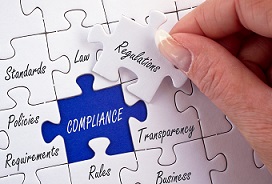
The compliance arena can be complicated, especially when it comes to identifying markers of success. With that being said, passing file audits is one of the more clear-cut indicators, so understanding how to accomplish this is worth the time and energy. At FOURMIDABLE, we pride ourselves on passing file audits and celebrate the teams who achieve this important milestone. One of the main responsibilities of our Compliance Department is the reviewing of move-in files and recertifications and following up on any corrections that need to be made. This is the first step in preparing for a future file audit which can be conducted by a variety of agencies. If you receive any type of government funding, Management and Occupancy Review (MOR), are conducted annually.   Depending on the program type or funding, file audits may be conducted by: Housing and Urban Development (HUD) Housing Authority Low Income Housing Tax Credit Agency Syndicator Keep in mind that often the auditor will send a questionnaire to the owner/agent to provide information and documents prior to the desk or in-person audit, again allowing for thorough preparation before the actual audit is essential. During these audits, the agencies are reviewing a number of key documents including move-ins (to make sure a resident is qualified at the time of move in); recent recertifications (to ensure they have been done in a timely fashion); Enterprise Income Verifications (EIV); as well as many other required documents. Remember that it is important to produce only original signed and dated documents – white out should never be used. In general, auditors want to easily find what they are looking for, so file set up, consistency and presentation is important. A good suggestion is to use four or six sided folders. File folder coversheets can be extremely useful, and added to each page of the folder set up. Another suggestion is to have your Compliance Department, or a team member, do a spot review of the files prior to the audit. That’s a good method for eliminating errors or discovering missing information and correcting prior to the auditor’s actual visit. After the file audit, always respond in a timely fashion, and provide supporting documents to any findings that are noted on what’s known as the “close-out/summary report.” This is especially important because there could be negative ramifications for the owner and the management agent if the findings are not resolved. Last, and absolutely fundamental, make sure to acknowledge and reward your team for audits that have an excellent or perfect score. Without the support and commitment of your teams, facing audits can be more difficult than they need to be. Achieving passing file audits is truly a special accomplishment, one we celebrate. So let me take a moment and acknowledge our teams at Kamper Stevens, Magnolia Manor, Rosewood Place and Watson Glades for being excellent examples when it comes to achieving passing file audits. Great job, everyone. Remember: we’re here to help each other, and if you have any questions or want to share success stories, let us know. Passing file audits are a great validation, and will go a long way to ensuring a great community taken care of by a devoted team, administrators and staff.  

Read more
Don’t forget the basics of a move-in checklist-image

Spring is here and so is moving day for many people. It’s a time of transition for those seeking a new place to call home, and our communities need to be ready. That means starting with the basics. This may seem obvious, but sometimes taken for granted and even failing to correctly apply or utilize the basic tools available to us to ensure a great experience, a well-maintained community and a solid housing inventory that reflects well on our community. Sure, the pandemic has challenged all of our assumptions, but I urge you not to let your move-in process slide. It is critical to maintain a proper perspective and be diligent when it comes to our move-in checklists. Most experts in our field, like those at Multifamily Insiders – the largest networking group for multifamily housing professionals – remind us that these checklists for move-ins are essential no matter the circumstances surrounding national emergencies like the pandemic. They are also important for move-out procedures as well, but that’s another story. For now, let’s focus on creating and deploying move-in checklists. This ensures a happy resident while also assuring the community that things in any individual housing unit get taken care of quickly and efficiently. Why should I have a move-in checklist? Frankly, I think I have to answer that in no uncertain terms. It helps protect your community, satisfy new residents, and creates a pattern of procedures and processes that will guide how you run your community in an effective and thoughtful manner. Recently a Multifamily Insiders article noted that “The move-in and move-out checklist is a convenient, all-inclusive and reliable way to document the property’s condition.” The logic, according to the author Joe Killinger, is that residents benefit from a move-in checklist because any existing conditions will be predated to their occupancy. More important, he noted that the checklist “helps the property manager by reducing liability risks due to disagreements related to security deposit reimbursement; thus, protecting the value of the property.” What should be documented, when and how So, let’s look at some of the mechanics of a move-in checklist. First of all, this is not rocket science. A simple list will do, one that looks at every element of a unit or apartment. It can be a created electronically or simply on a form created on your computer. Sure, it needs to be thorough – cover all aspects of the unit, from floor to ceiling, wall to wall, room to room – but it does not need to be overly complex. The idea here is to describe the condition of the apartment and make sure to identity any issues, both for your management or maintenance teams as well as potential residents. An important consideration is when you should document the condition of the apartment. The simple answer is the best – do it when a resident moves out and when a new resident is about to move in. This creates a compare and contrast approach that will make it easier to identify and resolve potential issues. In terms of how the checklist works, besides using a form or electronic document, it’s not a bad idea to make a visual record of the property through simple photographs. We all know that proof is often in the eyes of the beholder, so make sure you have a good visual record to go along with any checklist you develop. In fact, they can easily work in tandem. As you review a kitchen, for example, if there is a deep gouge in the countertop, besides noting it, a photo can show the extent of the damage and help resolve the level of repair or replacement needed. A universal system, applied individually Each apartment and community is unique and different. So there certainly needs to be some consideration in how you customize your move-in form, your checklist, your walk-through and your photograph records. Move-in checklist will differ for apartments that are fully furnished from those that are furnished by the new residents. While I won’t get into that much now, just remember that in those cases documenting the furniture itself becomes as important as any ceiling tile, carpeting or entry door. I realize that may sound obvious, but again, it may be easy to neglect the basics, especially during an influx of new residents. No one system will work for everyone. It’s more about following a consistent procedure with a focus on timing, information gathering and planning resolutions that are satisfactory to the management team and the potential of future residents. At FOURMIDABLE, finding the right combination of tools allows us to work closely with the management teams at our properties. We partner with them, as they partner with their current residents in developing a well-oiled system that looks toward the future care and maintenance of the community.  

Read more